
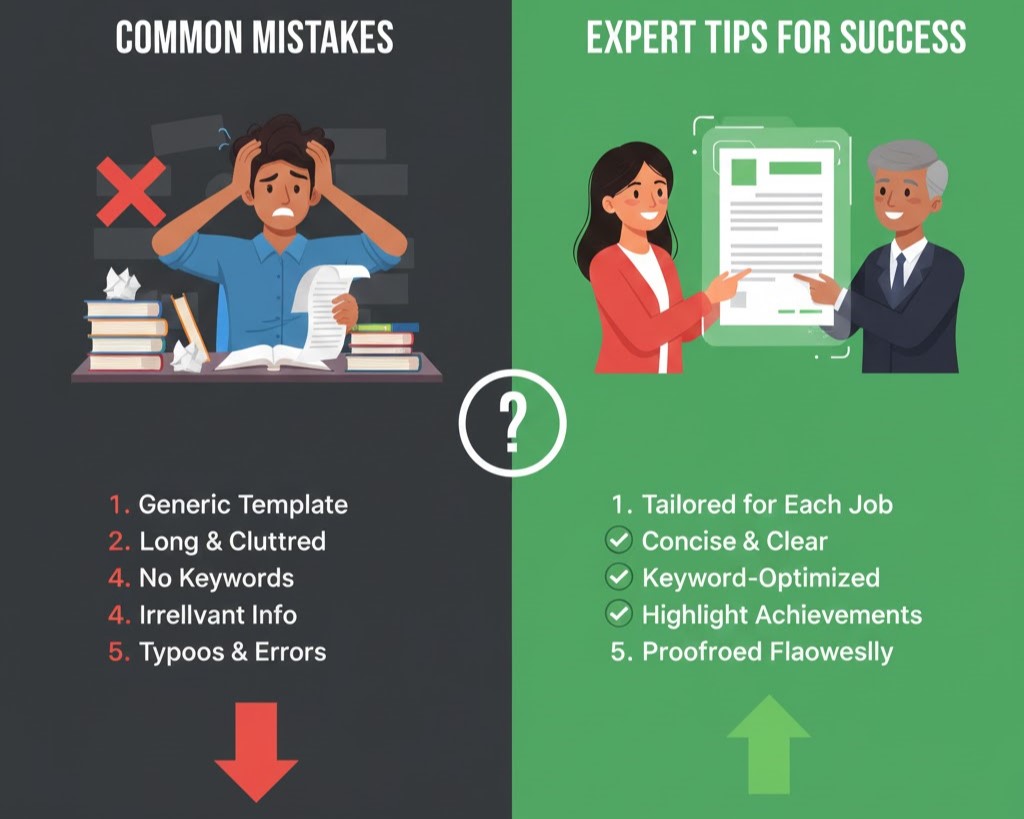
For law graduates, your law resume is more than just a chronological list of achievements; it is your primary marketing document. In a competitive market where recruiters spend seconds on initial screening, a well-crafted resume must immediately prove that you possess the skills, experience, and professional polish required for a demanding law job.
At LexMatter, we understand that effective resume building is the first critical step in successful job placement. Here are the essential tips for creating a resume that gets you noticed.
1. Prioritize Relevance and Experience Over Everything
As a fresh graduate, your academic achievements are important, but your practical experience is what hiring managers prioritize.
- Front-Load Internships: Move your “Experience” or “Internships” section immediately after your “Education” section. List your internships in reverse chronological order.
- Focus on Action and Results: Avoid passive descriptions. Start every bullet point with a powerful action verb (e.g., Drafted, Negotiated, Analyzed, Developed, Litigated, Researched).
- Quantify Your Impact: Whenever possible, use numbers and data to demonstrate the scope and result of your work.
- Weak: “Assisted with document review.”
- Strong: “Analyzed 500+ documents for relevance in a corporate fraud case, identifying two key pieces of evidence that resulted in a successful motion.”
- Tailor the Document: Never use one generic resume. Customize the content to align with the keywords and required skills listed in the specific law job description (e.g., if the job mentions “regulatory compliance,” ensure you highlight any relevant work).
2. Refine Your Education and Honors Section
While experience is primary, your academic section validates your competence.
- Highlight Key Achievements: Include your CGPA/Percentage only if it is above the firm’s typical cut-off. If you achieved honors (e.g., magna cum laude), note them.
- Relevant Coursework: If you lack direct experience in a niche field (e.g., Cyber Law), list 3-5 highly relevant law courses to signal your specialization (e.g., Courses: Advanced Contract Drafting, Data Privacy Law, Securities Regulation).
- Academic Distinctions: Include achievements like Moot Court wins, Law Review/Journal positions, and significant academic scholarships.
3. Showcase Modern, Marketable Skills
The modern law resume must prove fluency in legal tech and commercial awareness.
- Legal Tech Proficiency: Beyond basic MS Office, list specific legal tech tools you are proficient in (e.g., LexisNexis/Westlaw, Relativity (e-discovery), Clio/PracticePanther (case management), DocuSign).
- Practical Skills: Create a distinct “Skills” section for practical law skills mastered through legal training (e.g., Contract Redlining, Due Diligence, Advanced Legal Research, Financial Statement Analysis).
- Certifications: Include any professional legal certifications or specialized online law course credentials you have earned from providers like LexMatter (e.g., Certification in Financial Compliance, Diploma in Corporate Drafting).
4. Presentation and Format: Keep it Clean and Concise 📏
Your resume’s appearance is a test of your professionalism and attention to detail.
- Length: For fresh law graduates, keep the resume strictly to one page. Recruiters do not have time to read more.
- Readability: Use a clean, professional font (like Times New Roman, Garamond, or Arial) at 10.5 or 11 pt. Use generous white space and bolding judiciously to guide the reader’s eye.
- Proofread Relentlessly: A typo on a resume for a law job is often considered a fatal error, signaling a lack of attention to detail. Have at least three different people proofread the document before you send it.
By following these targeted tips, you can transform your law resume into a compelling narrative that secures the interview and accelerates your journey to successful job placement.
Ready to perfect your law resume with professional guidance and secure your law career? Contact Us at LexMatter for personalized job placement support.