
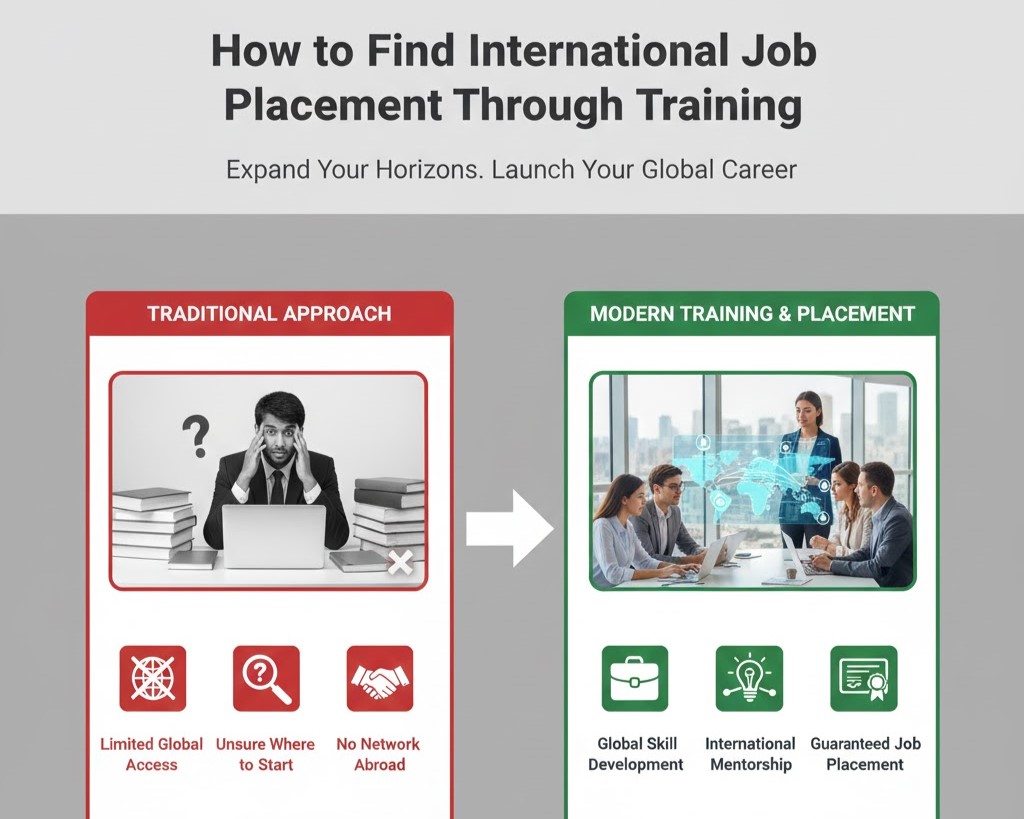
A career in law no longer stops at national borders. The growing globalization of commerce, technology, and finance means the demand for lawyers skilled in international law jobs is surging. However, securing a role abroad is notoriously challenging, requiring specific credentials, a global network, and specialized expertise. This is where strategic, job placement-focused law training becomes the indispensable bridge.
At LexMatter, we design our programs to provide you with the international qualifications and direct connections needed to launch a truly global law career.
1. Mastering Global Niche Specializations
General legal knowledge won’t suffice for an international role. Global employers seek candidates who possess deep expertise in highly specialized, transnational fields.
- Targeted Curriculum: Focus your law training on areas governed by international and multi-jurisdictional standards. The most valuable niches for international law jobs include:
- Cross-Border Compliance: GDPR, FCPA, and AML regulations.
- International Arbitration and ODR (Online Dispute Resolution): Handling commercial disputes between parties in different countries.
- Cyber Law and Data Governance: Navigating differing national data sovereignty laws.
- The Credential Factor: Training programs that offer certifications or diplomas recognized internationally carry more weight than local academic achievements alone, signaling competence to employers worldwide.
2. Building a Global Professional Network
The vast majority of international law jobs are secured through professional referrals and networks, not cold applications.
- International Faculty and Peers: Choose law training programs like LexMatter that feature faculty who are current international practitioners and peers who are based in different countries. These connections are your first global network.
- Structured Referrals and Mentorship: Job placement support should actively facilitate introductions to international alumni and partner firms. A referral from a trusted program mentor is far more valuable than a mass application.
- Demonstrate Cross-Cultural Fluency: International firms look for candidates who understand cultural differences in negotiation, communication, and legal practice. Participation in simulated international mediation or virtual internships demonstrates this readiness.
3. The Digital Advantage: Remote Job Readiness
Many entry-level international law jobs begin with a remote component or require immediate fluency in cross-border digital collaboration.
- Legal Tech Proficiency: Ensure your law training covers the use of legal tech tools for secure, multi-jurisdictional collaboration, e-discovery platforms, and virtual court procedures.
- Virtual Internships: Actively seek virtual internships with international organizations or firms based abroad. This provides tangible cross-border work experience to put on your resume without requiring relocation.
- Language Skills: While often overlooked, demonstrating proficiency in a second major business language (e.g., Spanish, French, or Mandarin) can be a significant differentiator in securing a role.
4. Leveraging Job Placement Support for Relocation
A dedicated job placement cell does more than just find you an opening; it helps manage the logistics of working abroad.
- Visa and Accreditation Guidance: Your support team can provide initial guidance on the necessary work visas, foreign bar registration requirements, and local professional accreditations needed to accept an international law job.
- Optimizing the Global Resume: Resumes and CVs are structured differently in various countries (e.g., German CVs vs. UK résumés). Placement support ensures your application is formatted correctly to meet international standards.
By prioritizing niche international skills, leveraging a global network, and relying on dedicated job placement support, you can successfully transition your law career onto the global stage.
Ready to launch your law career in international law jobs? Contact Us at LexMatter to explore our specialized global law training and placement programs.