
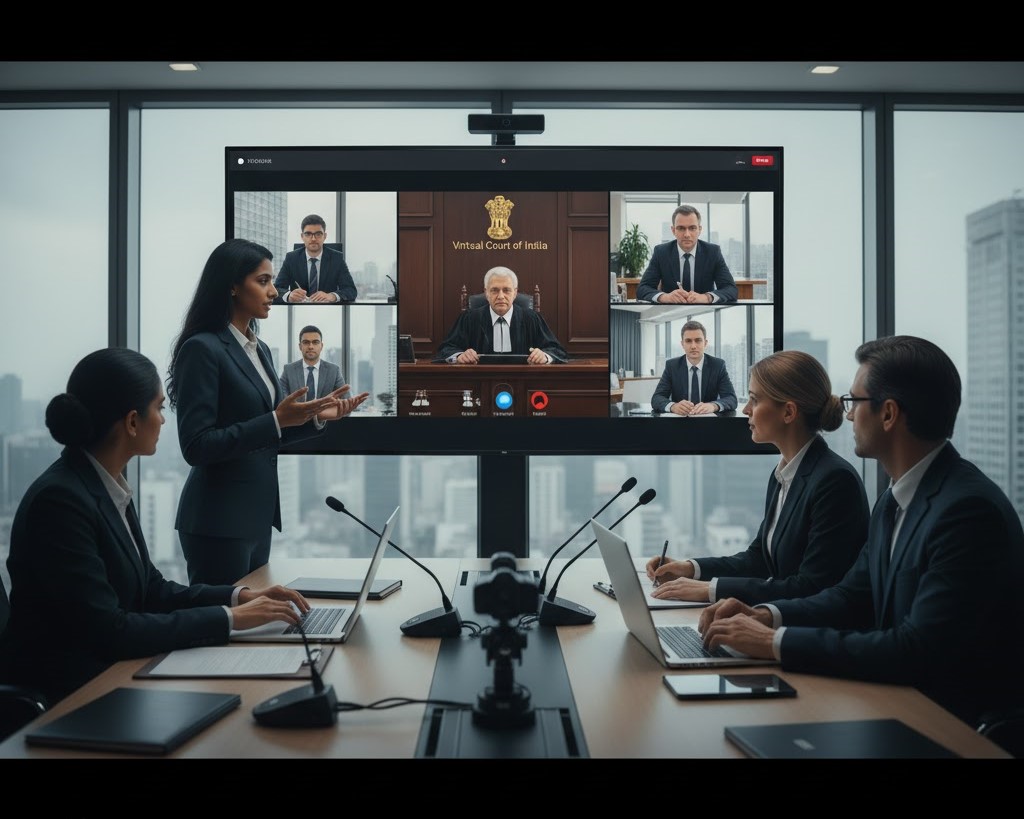
The rapid adoption of virtual courts—accelerated by global events—is permanently transforming the landscape of law practice. While initially a reactive necessity, the shift to remote hearings, e-filing, and digital evidence presentation has proven to be a seismic evolution in the justice delivery system.
At LexMatter, we believe that lawyers must adapt their entire skillset and business model to thrive in this new hybrid legal world. Here is the profound impact virtual courts are having on the profession.
1. Enhanced Efficiency and Cost Savings
The most tangible change is the economic benefit and streamlined workflow.
- Geographic Freedom: Lawyers are no longer tethered to a single courthouse. They can efficiently handle hearings in different jurisdictions on the same day, expanding their market reach for client acquisition and specialist work.
- Reduced Logistics and Costs: Virtual courts eliminate the time and expense associated with travel, waiting in court corridors, and printing massive paper files. This efficiency allows lawyers to take on more cases and reduces litigation costs for clients, making justice more accessible.
- Streamlined Case Management: E-filing and digital case portals simplify administrative work, allowing lawyers to submit documents, track case status, and receive orders instantly, speeding up the entire legal process.
2. New Skills for Digital Advocacy
The digital environment demands a new set of legal training and advocacy skills, replacing traditional courtroom presence.
- Mastery of Digital Evidence: Lawyers must be proficient in presenting evidence (documents, videos, exhibits) seamlessly on screen, requiring new skills in screen sharing, annotation, and digital organization.
- Non-Verbal Communication: Assessing witness credibility and persuading a judge is far harder through a small video window. Lawyers must train to project confidence, maintain focus, and manage the technical environment (lighting, audio, camera angle) to ensure their message is received clearly.
- Ethical Technology Use: Virtual courts raise new ethical challenges regarding client confidentiality (e.g., ensuring a private room for consultation), preventing witness tampering during remote testimony, and maintaining the decorum of the court.
3. The Challenge to Tradition and Equality
Despite the benefits, the shift to virtual courts presents significant challenges that affect both lawyers and the public.
- The Digital Divide: Not all citizens or legal professionals have access to high-speed internet, reliable hardware, or the necessary legal training in digital literacy. This risks creating a two-tiered system of justice.
- Loss of Courtroom Nuance: Many experienced lawyers and judges argue that the essential solemnity and crucial non-verbal cues (subtle reactions, body language) of in-person proceedings are diminished, potentially impacting the fairness of sensitive matters like cross-examination.
- Mentorship Gap: Junior lawyers miss the invaluable opportunity to observe seasoned practitioners and judges in a physical courtroom setting, which is a traditional pillar of early-career law practice development.
The future of law practice is almost certainly a hybrid model, utilizing virtual courts for procedural motions, case management, and less complex matters, while reserving complex trials and matters requiring deep personal interaction for the physical courtroom. Lawyers who embrace technology and invest in new digital advocacy legal training will be best positioned to thrive.
Ready to adapt your skills for the new digital law practice? Contact Us at LexMatter to explore our specialized virtual advocacy and legal training programs.