
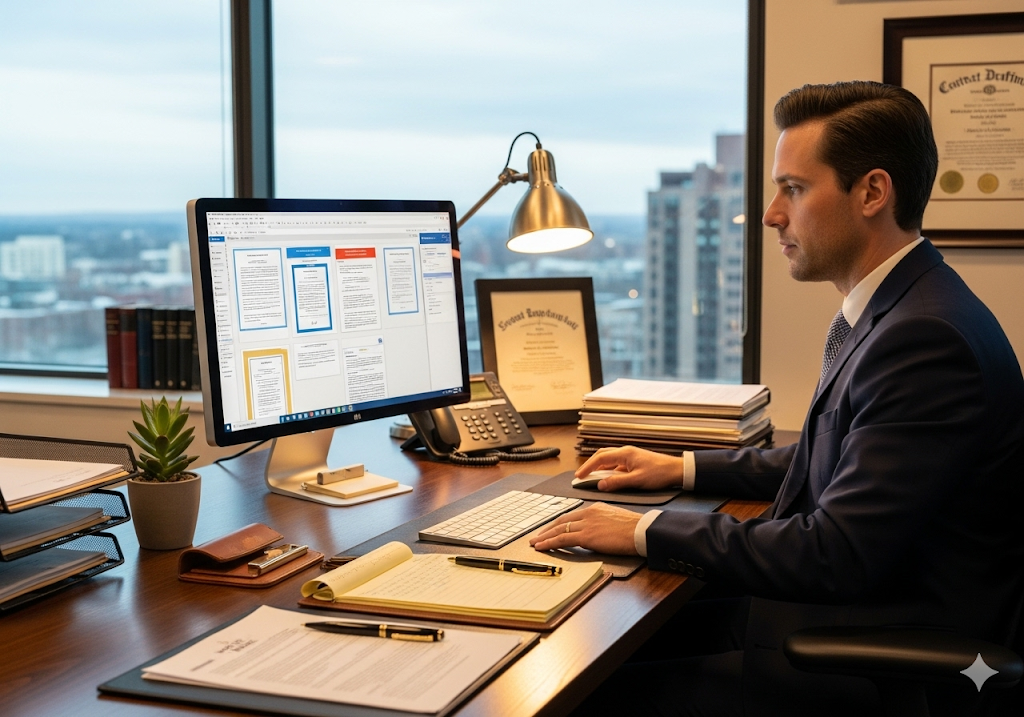
Embracing technology is no longer optional for a successful Law Practice. Using the right Contract Drafting tools and templates can significantly improve efficiency, accuracy, and risk mitigation, making them an essential part of modern Legal Training. These resources streamline a lawyer’s workflow, allowing them to focus on strategic advice rather than repetitive tasks.
Essential Tools for Modern Drafting
The modern legal professional uses a suite of digital tools to enhance their Contract Drafting process.
- Legal Research Databases: Before you draft, you must research. Utilizing professional databases that provide access to case law, statutes, and legal commentaries is non-negotiable. These tools ensure your contract clauses are legally sound and your arguments are backed by the latest precedents.
- Document Automation Software: These tools are a game-changer for a busy Law Practice. They use pre-approved clauses and templates to automatically generate contracts, from non-disclosure agreements to service contracts. This not only saves a tremendous amount of time but also reduces the risk of human error.
- Collaboration and E-Signature Tools: The drafting process often involves multiple stakeholders. Tools that facilitate secure collaboration, track changes with precision, and allow for legally binding electronic signatures streamline the entire process. This eliminates the need for physical paperwork and speeds up the time it takes to finalize a deal.
The Strategic Use of Templates
Templates are a foundational part of Contract Drafting, but they must be used strategically.
- Templates as a Foundation: Think of a template as the skeleton of a contract. It provides the basic structure and core clauses, which you can then customize to fit the specific needs of your client and the unique nuances of their transaction.
- Avoid Generic Templates: The internet is full of free, generic templates. While they might seem convenient, they often lack the specific clauses needed for a particular jurisdiction or commercial reality. Using them can be a major legal risk.
- Customization is Key: A well-drafted contract is a bespoke document. You must meticulously review every clause and tailor it to your client’s business goals, risk tolerance, and the nature of the relationship they are entering into.
For a successful Law Practice, proficiency in Contract Drafting is no longer just about knowing the law. It’s also about knowing how to leverage technology to work smarter. This is a crucial skill that needs to be a part of every lawyer’s Legal Training. At LexMatter, our specialized courses are designed to provide the hands-on practice and expert mentorship you need to master these skills. To learn more, feel free to Contact Us.